Home » Strategies for debt management
The key to effective debt management begins with gaining a full overview of your finances by listing all debts and comparing income to expenses. From there, creating a realistic budget helps prioritize spending and ensures consistent debt repayment. Negotiating with creditors can lead to reduced interest rates or better repayment terms. Consolidating debts into one loan can simplify payments and lower overall costs. Finally, seeking help from a credit counselor offers expert guidance and a tailored plan to stay on track.
When I first decided to tackle my debt, the first step was to gain a clear understanding of my financial situation.
I remember sitting down with a stack of bills and my bank statements, feeling overwhelmed by the sheer volume of numbers in front of me.
I took a deep breath and started listing all my debts, including credit cards, student loans, and personal loans.

It was eye-opening to see everything laid out in front of me. I realized that I had been avoiding the reality of my financial situation, and this exercise forced me to confront it head-on. To truly understand my finances, I also took a close look at my income and expenses.
I created a simple spreadsheet that tracked my monthly earnings alongside my fixed and variable expenses.
This helped me identify areas where I could cut back.
For instance, I discovered that I was spending more on dining out than I had realized.
By acknowledging these patterns, I was able to gain a clearer picture of where my money was going and how much I could allocate toward paying off my debts.
Once I had a firm grasp on my financial situation, the next step was to create a realistic budget. This was not just about limiting my spending; it was about making informed choices that aligned with my financial goals. I remember sitting down with a pen and paper, determined to craft a budget that would help me regain control over my finances.
I categorized my expenses into essentials—like rent and groceries—and non-essentials—like entertainment and shopping. I made sure to allocate a specific amount each month toward debt repayment. This wasn’t easy; it required some sacrifices, like cutting back on weekend outings with friends.
However, I found that being intentional about my spending made me feel empowered rather than deprived. Each month, as I stuck to my budget, I felt a sense of accomplishment that motivated me to keep going.
One of the most daunting tasks in my debt management journey was negotiating with creditors. Initially, the thought of calling them made me anxious; I feared rejection or confrontation. However, I knew that if I wanted to make progress, I had to advocate for myself.
I remember one particular call with a credit card company where I explained my situation and requested a lower interest rate. To my surprise, they were willing to work with me! This experience taught me that many creditors are open to negotiation, especially if you approach them respectfully and honestly.
I learned to prepare for these conversations by gathering relevant information about my account and understanding my rights as a consumer. Each successful negotiation not only reduced my financial burden but also boosted my confidence in handling future discussions.
| Debt Type | Interest Rate | Current Balance |
|---|---|---|
| Credit Card 1 | 18% | 5,000 |
| Credit Card 2 | 22% | 3,000 |
| Personal Loan | 12% | 7,000 |
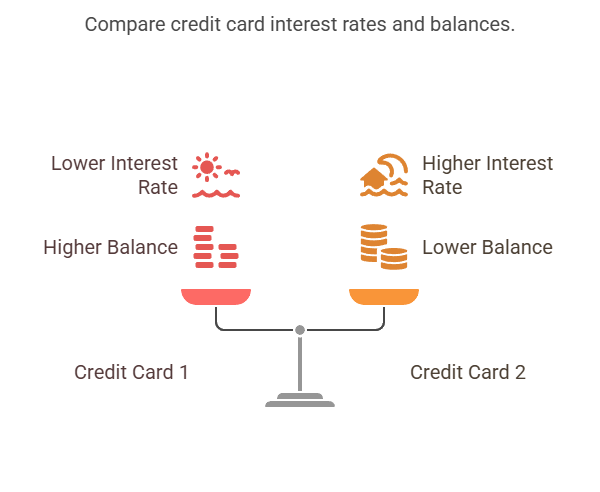
As I continued on my path to financial recovery, I explored the option of consolidating my debts.
The idea of combining multiple payments into one seemed appealing, especially since it could potentially lower my interest rates.
After doing some research, I decided to take the plunge and apply for a debt consolidation loan.
The process was nerve-wracking; I worried about whether I would qualify or if it would truly make a difference. When I finally secured the loan, it felt like a weight had been lifted off my shoulders.
Instead of juggling several payments each month, I now had just one manageable payment to focus on.
This not only simplified my financial life but also allowed me to allocate more funds toward paying down the principal amount faster.
At one point in my journey, I realized that I needed help beyond what I could manage on my own.
Seeking professional assistance became a crucial step in my debt management program. I reached out to a credit counseling agency that offered free consultations.
During our first meeting, the counselor reviewed my financial situation and provided valuable insights that I hadn’t considered before.
Working with a professional not only gave me access to expert advice but also provided me with accountability. They helped me create a tailored plan that addressed my specific needs and goals.
It was comforting to know that I wasn’t alone in this process; having someone in my corner made all the difference.

With the guidance of my credit counselor, I developed a structured repayment plan that outlined how much I would pay each month and which debts to prioritize.
This plan became my roadmap for financial recovery. I remember feeling both nervous and excited as we mapped out the timeline for paying off each debt.
It was empowering to have a clear strategy in place. As I followed the repayment plan, I celebrated small victories along the way—like paying off my first credit card completely. Each time I crossed an item off the list, it reinforced my commitment to becoming debt-free.
The plan not only kept me focused but also instilled a sense of discipline that helped me resist the temptation to overspend.
One of the most challenging aspects of managing debt is resisting the urge to accumulate new debt while trying to pay off existing obligations.
After experiencing the stress of being in debt, I became acutely aware of how easy it is to fall back into old habits. To combat this, I made a conscious effort to avoid unnecessary purchases and impulse buys.
I started using cash for discretionary spending instead of relying on credit cards. This simple change helped me stay within my budget and made me more mindful of my spending habits.
Additionally, whenever I felt tempted to make an unplanned purchase, I would remind myself of the progress I had made so far and how much better it felt to be on the path toward financial freedom.
As I worked diligently on paying off my debts, I also recognized the importance of building an emergency fund.
Having savings set aside for unexpected expenses would provide a safety net and prevent me from falling back into debt if something unforeseen occurred.
Initially, it felt daunting to think about saving while still managing debt, but I knew it was essential for long-term financial health.
I started small by setting aside a portion of each paycheck into a separate savings account dedicated solely to emergencies.
Over time, this habit became second nature, and watching my savings grow gave me peace of mind.
Knowing that I had funds available for emergencies allowed me to focus on paying down debt without the constant worry of what might happen if an unexpected expense arose.
Throughout this journey, improving my credit score became an important goal as well.
A higher credit score would not only help me secure better interest rates in the future but also open up more financial opportunities overall.
To boost my score, I focused on making timely payments and reducing my credit utilization ratio by paying down existing debts.
I also took the time to review my credit report for any inaccuracies or errors that could be dragging down my score.
When I discovered a mistake related to an old account, disputing it felt empowering; it was another step toward taking control of my financial future.
As months passed and my score improved, it served as motivation to continue making responsible financial choices.
Finally, one of the most rewarding aspects of this entire journey has been celebrating my progress along the way.
Each milestone—whether it was paying off a credit card or reaching a savings goal—deserved recognition.
Initially, I would treat myself to small rewards like a nice dinner or a day out with friends when hitting significant targets.
These celebrations not only marked achievements but also reinforced positive behaviors that contributed to my financial success.
Reflecting on how far I’ve come has been incredibly motivating; it reminds me that hard work pays off and encourages me to keep pushing forward toward complete financial freedom.
Each step taken has been a testament to resilience and determination, proving that with the right strategies in place, anyone can overcome their debt challenges.
Before you can tackle your debt, you need to understand exactly where you stand. Begin by gathering all your financial documents—bank statements, bills, and loan information—and list every debt you owe. Take note of interest rates, minimum payments, and due dates. Then compare your total income to your monthly expenses. This process may feel overwhelming at first, but it’s a crucial step toward clarity and control.
Once you have a full overview of your finances, the next step is to create a practical and realistic budget. Divide your expenses into essentials (like rent and groceries) and non-essentials (like entertainment). Look for areas where you can cut back, and allocate a fixed amount each month toward debt repayment. Your budget doesn’t have to be perfect—it just needs to be sustainable and goal-oriented.
You don’t have to do it alone. Consider reaching out to creditors to negotiate better terms or lower interest rates. Explore the possibility of consolidating your debts to simplify your payments. If you feel stuck, a certified credit counselor can help you develop a personalized plan and provide accountability. Taking that first step toward asking for support can make the entire process feel much more manageable.
The first step is to assess your financial situation by listing all your debts, reviewing your income and expenses, and identifying where your money is going. This gives you the clarity needed to make informed decisions.
Start by separating your essential and non-essential expenses. Then set spending limits in each category and dedicate a portion of your income specifically to debt repayment. Adjust as needed to stay consistent.
Yes, many creditors are open to negotiation. You can request lower interest rates, waived fees, or alternative repayment plans—especially if you’re honest about your financial situation and show commitment to paying.
Debt consolidation involves combining multiple debts into one loan with a single monthly payment. It can make repayment easier and may lower your interest rates, but it’s important to compare options and understand the terms.
If you’re feeling overwhelmed or unsure how to create a plan, it’s a good idea to speak with a certified credit counselor. They can offer personalized guidance and help you stay accountable throughout the process.
A debt management plan itself doesn’t directly hurt your credit score, but closing credit accounts or missing payments beforehand might. Over time, as you make consistent payments, your score can actually improve.
The timeline depends on the amount of debt you have, your interest rates, and how much you can pay each month. With a structured plan and discipline, many people see significant progress within 2 to 5 years.
Budgets should be flexible. If you find yourself consistently overspending, revisit your plan, identify problem areas, and make small, realistic adjustments. Even progress at a slower pace is still progress.
Yes, it’s generally wise to stop using credit cards to avoid accumulating new debt. Relying on cash or debit helps you stay within budget and reinforces better spending habits.
An emergency fund prevents you from relying on credit cards or loans when unexpected expenses arise. Even saving a small amount regularly can create a safety net and keep your debt from growing.