Home » Benefits of Retirement Counseling
Retirement counseling provides individuals with the necessary guidance and expertise to make informed choices about their financial future when they retire
Retirement counseling plays a crucial role in helping individuals navigate the complex landscape of retirement planning.
As people approach retirement age, they are often faced with a myriad of financial decisions and considerations that can significantly impact their future well-being.
Retirement counseling provides individuals with the necessary guidance and expertise to make informed choices about their financial future.

By understanding the importance of retirement counseling, individuals can proactively plan for their retirement years, ensuring financial security and peace of mind.
Retirement counseling also helps individuals gain a deeper understanding of the various retirement options available to them.
This includes exploring different retirement savings vehicles, such as 401(k) plans, IRAs, and pension plans, and understanding how to maximize their benefits.
Additionally, retirement counseling can provide valuable insights into tax implications, investment strategies, and budgeting techniques tailored to retirement needs.
By recognizing the significance of retirement counseling, individuals can take proactive steps to secure their financial future and make well-informed decisions that align with their retirement goals.
A retirement counselor plays a pivotal role in guiding individuals through the intricacies of financial planning for retirement.
These professionals are equipped with the expertise and knowledge to assess an individual’s financial situation, understand their retirement goals, and develop a customized plan to achieve those objectives.
By conducting thorough financial assessments, retirement counselors can provide personalized recommendations on savings strategies, investment portfolios, and income planning to ensure a comfortable retirement.
Moreover, retirement counselors serve as educators, empowering individuals with the necessary financial literacy to make informed decisions about their retirement.
They can demystify complex financial concepts, such as Social Security benefits, Medicare options, and long-term care insurance, enabling individuals to navigate these areas with confidence.
Additionally, retirement counselors act as advocates for their clients, advocating for their best interests and providing ongoing support as they progress through different life stages.
By understanding the pivotal role of a retirement counselor in financial planning, individuals can leverage their expertise to build a solid foundation for their retirement years.
Retirement counseling offers individuals the opportunity to maximize their retirement benefits by strategically leveraging available resources and optimizing financial strategies.
Through personalized guidance from a retirement counselor, individuals can explore various avenues to enhance their retirement benefits, such as maximizing Social Security benefits, optimizing pension distributions, and making informed decisions about employer-sponsored retirement plans.
Furthermore, retirement counselors can provide valuable insights into tax-efficient withdrawal strategies, investment diversification, and risk management techniques tailored to individual risk tolerance and financial objectives.
By harnessing the expertise of a retirement counselor, individuals can proactively position themselves to maximize their retirement benefits and achieve long-term financial security.
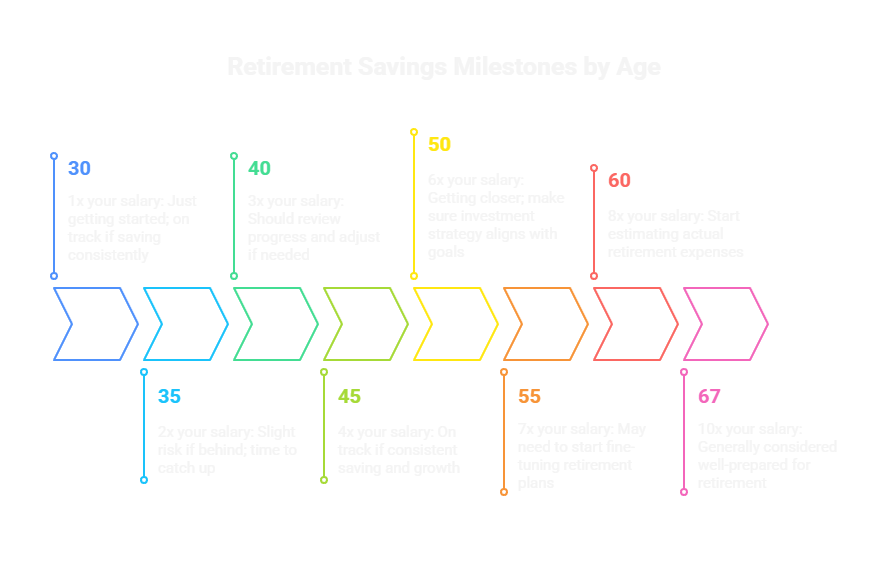
| Age | Recommended Savings (as a Multiple of Annual Salary) | Retirement Readiness |
|---|---|---|
| 30 | 1x your salary | Just getting started; on track if saving consistently |
| 35 | 2x your salary | Slight risk if behind; time to catch up |
| 40 | 3x your salary | Should review progress and adjust if needed |
| 45 | 4x your salary | On track if consistent saving and growth |
| 50 | 6x your salary | Getting closer; make sure investment strategy aligns with goals |
| 55 | 7x your salary | May need to start fine-tuning retirement plans |
| 60 | 8x your salary | Start estimating actual retirement expenses |
| 67 | 10x your salary | Generally considered well-prepared for retirement |
“On track” means you’ll likely be able to maintain your lifestyle in retirement.
If behind, you may need to increase savings rate, delay retirement, or reduce future spending.
The guideline assumes:
You start saving at age 25
You save about 15% of your income annually (including employer match)
You retire at 67
Your investments grow at a historical average (e.g., 5–7% per year)
Collaborating with a retirement counselor enables individuals to create a comprehensive retirement plan that encompasses all aspects of their financial well-being.
A retirement counselor works closely with clients to develop a holistic roadmap for retirement, addressing key areas such as income planning, expense management, healthcare considerations, and legacy planning.
By conducting thorough assessments of an individual’s financial situation and retirement goals, a retirement counselor can tailor a comprehensive plan that aligns with their unique needs and aspirations.
This may involve developing a sustainable withdrawal strategy from retirement accounts, exploring options for long-term care insurance, and establishing an estate plan to safeguard assets for future generations.
Through this collaborative approach, individuals can gain peace of mind knowing that they have a well-crafted roadmap for their retirement years.

In addition to the tangible financial advantages, retirement counseling also offers significant psychological benefits for individuals approaching retirement.
The prospect of transitioning into retirement can evoke feelings of uncertainty and anxiety about financial security and lifestyle changes.
Retirement counseling provides emotional support and reassurance by helping individuals navigate these transitional phases with confidence and clarity.
Moreover, retirement counselors serve as trusted confidants, offering a supportive environment for individuals to express their concerns and aspirations about retirement.
By addressing emotional concerns and providing guidance on adapting to lifestyle changes in retirement, retirement counselors play a pivotal role in alleviating psychological stress and promoting overall well-being.
Healthcare and insurance considerations are integral components of retirement planning, and navigating these complex areas can be daunting for many individuals.
Retirement counselors are well-versed in healthcare options, Medicare enrollment, and long-term care insurance, providing invaluable guidance to help individuals make informed decisions about their healthcare coverage during retirement.
By collaborating with a retirement counselor, individuals can gain clarity on Medicare eligibility, coverage options, and potential gaps in healthcare insurance that may impact their financial well-being in retirement.
Additionally, retirement counselors can assist in evaluating long-term care insurance policies to mitigate potential healthcare expenses in the future.
By leveraging the expertise of a retirement counselor in navigating healthcare and insurance options, individuals can safeguard their health and financial security during their retirement years.
Long-term care and estate planning are critical considerations for individuals preparing for retirement.
Retirement counselors play an essential role in guiding individuals through the complexities of long-term care planning and estate preservation.
They can provide insights into long-term care insurance options, asset protection strategies, and estate planning techniques to ensure that individuals are prepared for potential healthcare needs and have a clear plan for transferring assets to future generations.
Furthermore, retirement counselors can facilitate discussions about legacy planning and charitable giving, helping individuals align their values with their estate planning objectives.
By collaborating with a retirement counselor on long-term care and estate planning, individuals can establish a comprehensive framework that safeguards their assets and ensures their legacy is preserved according to their wishes.
The impact of retirement counseling extends beyond financial considerations and encompasses overall well-being and satisfaction in retirement.
By proactively engaging with a retirement counselor, individuals can gain confidence in their financial preparedness for retirement, alleviating stress and uncertainty about their future.
Moreover, the collaborative relationship with a retirement counselor fosters a sense of empowerment and control over one’s financial destiny in retirement.
This proactive approach to retirement planning can enhance overall satisfaction and well-being by providing individuals with the peace of mind that they have taken proactive steps to secure their financial future.
In conclusion, understanding the importance of retirement counseling is paramount for individuals seeking to navigate the complexities of retirement planning.
By leveraging the expertise of a retirement counselor, individuals can maximize their retirement benefits, create comprehensive retirement plans, address psychological concerns, navigate healthcare options, engage in long-term care and estate planning, and ultimately enhance their overall well-being and satisfaction in retirement.
Retirement counseling is a professional service that helps individuals prepare financially, emotionally, and strategically for retirement. It is important because it provides personalized guidance on savings, investment strategies, and long-term planning, ensuring a secure and well-prepared transition into retirement.
A retirement counselor can assist in maximizing benefits by guiding you on Social Security optimization, pension distributions, tax-efficient withdrawal strategies, and investment diversification. Their expertise helps align your financial plan with your personal goals and risk tolerance.
A comprehensive retirement plan covers income planning, healthcare costs, long-term care, expense management, insurance options, and estate planning. A retirement counselor works with you to develop a holistic roadmap tailored to your financial situation and future goals.
Yes. Retirement counseling can ease the emotional stress of retirement by providing reassurance, clarity, and confidence in your plans. It offers a supportive environment to discuss concerns and helps individuals adapt to lifestyle changes, enhancing mental well-being.
Retirement counselors guide you through Medicare options, supplemental insurance, and long-term care coverage. They help you understand potential gaps and costs, allowing you to make informed decisions that protect both your health and finances in retirement.
Ideally, you should begin retirement counseling in your 40s or 50s to give yourself time to implement strategic changes. However, it’s never too late to start—counseling can provide value even in the years immediately before retirement.
No. While financial planning is a major component, retirement counseling also addresses healthcare, insurance, estate planning, emotional preparation, and overall lifestyle adjustments to help you transition smoothly into retirement.
Yes. A retirement counselor can help you understand when to claim Social Security for maximum benefit, how your claiming age affects monthly payments, and how benefits interact with other income sources.
A retirement counselor helps coordinate estate planning by guiding you through wills, trusts, asset protection strategies, and legacy planning. They work alongside legal professionals to ensure your wishes are clearly documented and protected.
Studies and experience show that individuals who plan thoroughly with a counselor feel more secure, less stressed, and more satisfied in retirement. Having a clear plan leads to greater peace of mind and confidence about the future.
Last edit: 07/05/2025
Length: 1902 words
Reading time: ~8 min